
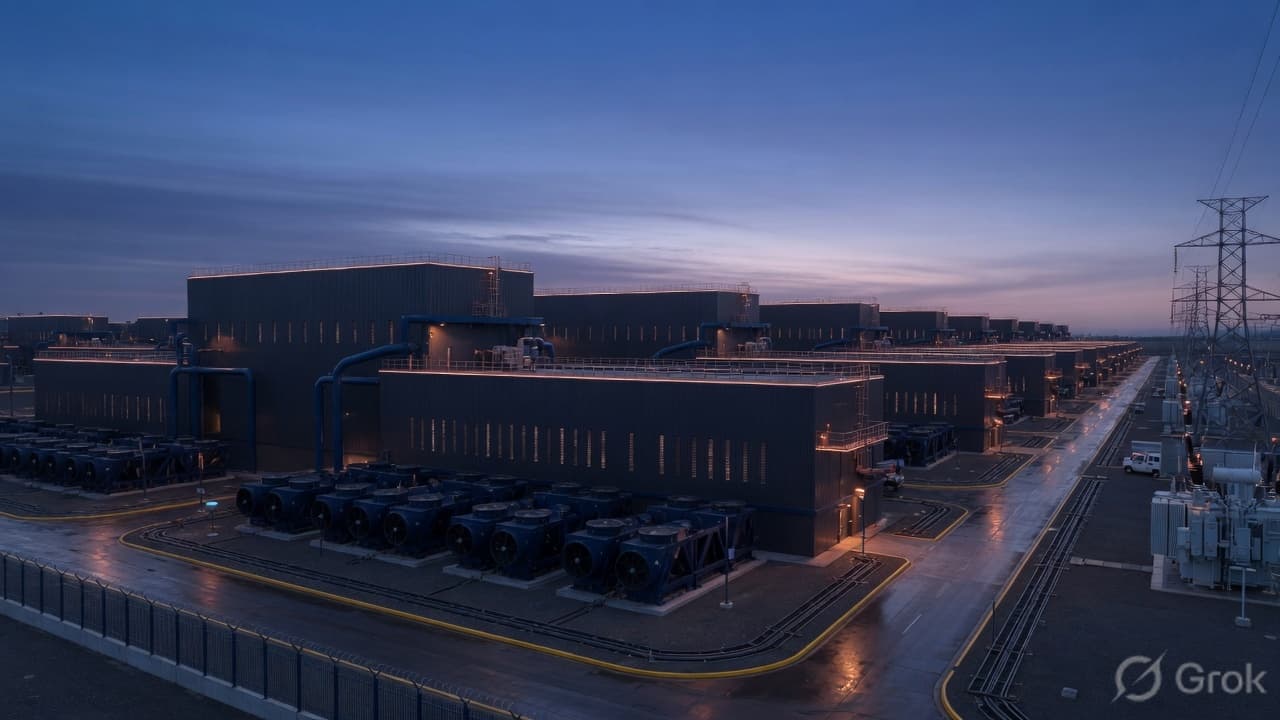
Bitcoin Mining as Strategic Infrastructure
Why sophisticated capital is evaluating mining not as speculative hardware, but as energy-adjacent infrastructure with multi-year optionality.
12 June 2026 · NexusArc
Retail narratives treat mining as a catalogue problem: pick a machine, pay an invoice, wait for a box. That is a merchant’s sequence. It is the wrong sequence for capital that has to live with the decision for years. Mining is energy-adjacent infrastructure. The durable questions are about power, counterparties, custody, and the cost of being wrong across an 18–36 month hardware cycle. Which machine is cheapest this week is a later question. Sometimes it is never asked, because the tariff does not survive diligence. Principals should ask what edge they have in power or operations, who bears downtime, how hashrate is verified, what happens in a dispute, and how proceeds and custody are handled. Exit friction often dominates the model that was used to justify the purchase. India adds a further constraint. Mining is not banned as of 2026. Retail grid tariffs around ₹5–9/kWh usually make garage mining a poor idea. The serious path is captive, group-captive, surplus, curtailed, or behind-the-meter power — or hosting where the power math actually works. VDA tax treatment exists; boards should take that to their own counsel. Hardware is a consequence of the mandate, not the starting point. Sometimes the honest output is do not mine.
Want this applied to a real site or a real treasury?